Pages

Tuesday, May 30, 2006


Ancient decorated carnelian with swirling motif. 


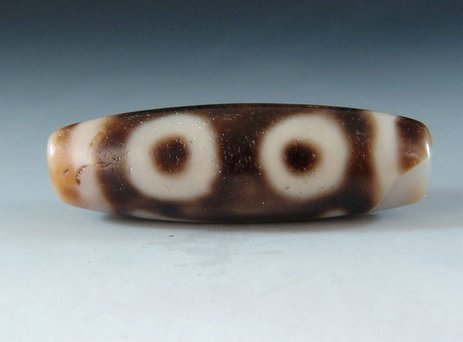
Ancient Two Eyed dZi with round decorated longevity agates.


Ancient Chung dZi 


Ancient Luk Mik with raised eye. 


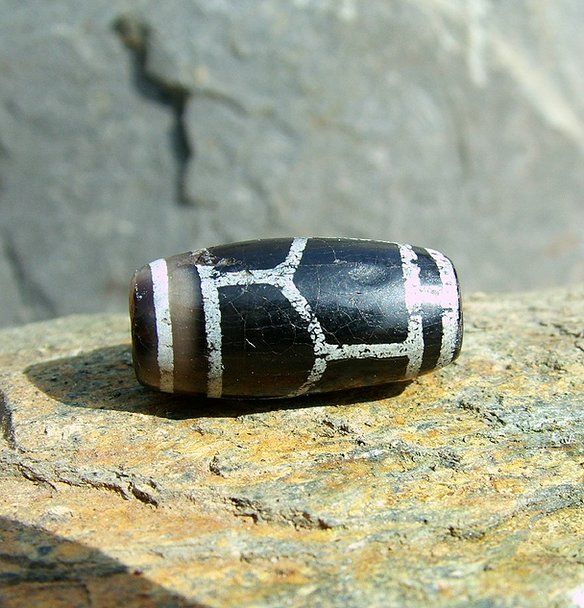
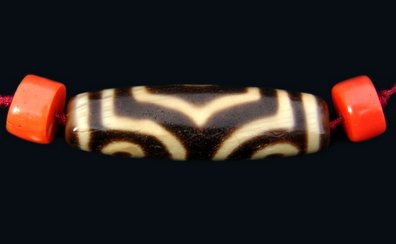
Ancient decorated agate with longevity design. 

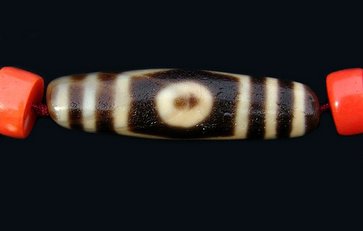
Ancient Two eyed dZi. One of the eyes is a crystalline 
inclusion that is inherent in the agate.


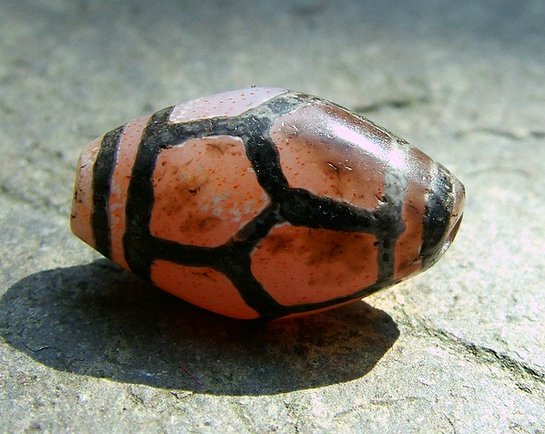
Ancient decorated carnelian with Longevity design 


Ancient cone shaped decorated carnelian. Also 
known as 'Monks cap' beads. 


Ancient Agate with natural Eye. 


Ancient Repaired Chung dZi 


Ancient Agate with natural Eye 


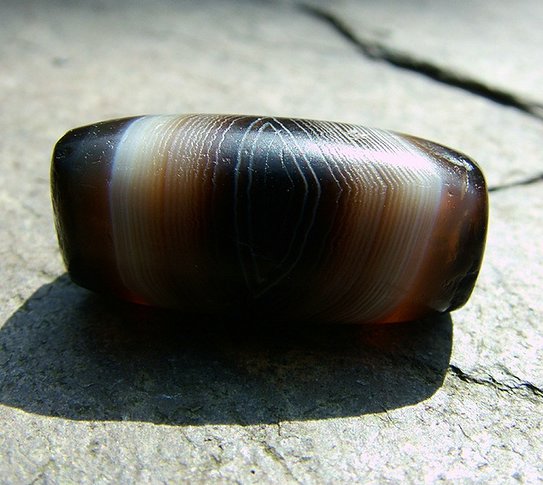
Ancient Agate Bead 


Ancient Decorated Carnelian Beads 


Ancient Chung dZi 


Ancient Bow or Crescent shaped Chung dZi 


Ancient Decorated Luk Mik dZi 


Ancient Agate Chung dZi 


Ancient Agate Bead 


Ancient Carnelian Chung dZi with dense blood spots. 

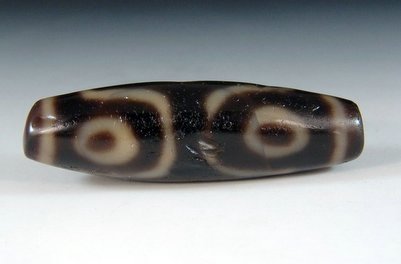
Ancient Two Eyed dZi


Ancient Luk Mik dZi.


Ancient Agate with natural eye 


Ancient Chung dZi 


Ancient Bhaisajyaguru Beads


Ancient Agate with Natural Eye Formation 

Thursday, May 18, 2006


Ancient decorated carnelian bead. 

A Pema Raka bead with large perforation.


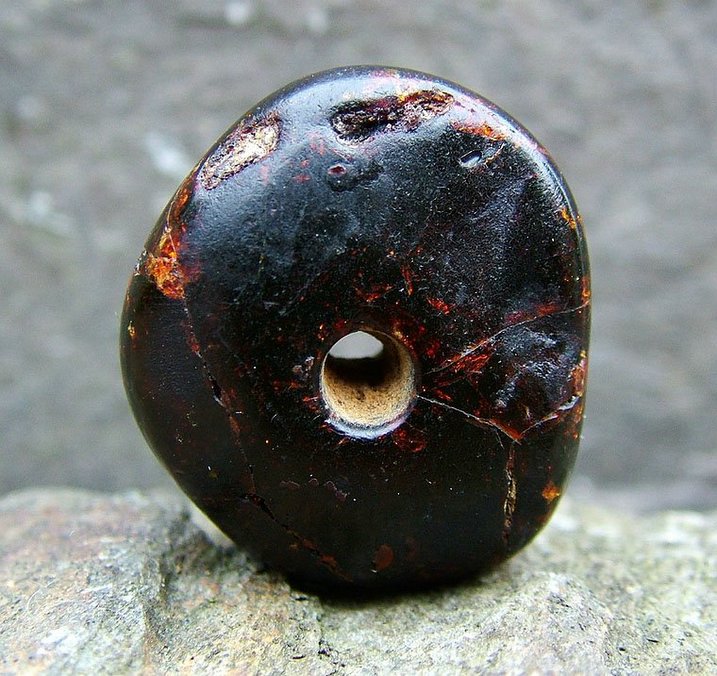
Ancient Amber bead. 


Ancient Three Eyed dZi 


Ancient Three Eyed dZi 


Rare Ancient Three Eyed dZi in perfect condition 


Very old Indian Bodhiseed Mala 


Ancient Three Eyed dZi 

Ancient Three Eyed dZi 


Ancient Agates from Western Asia. 


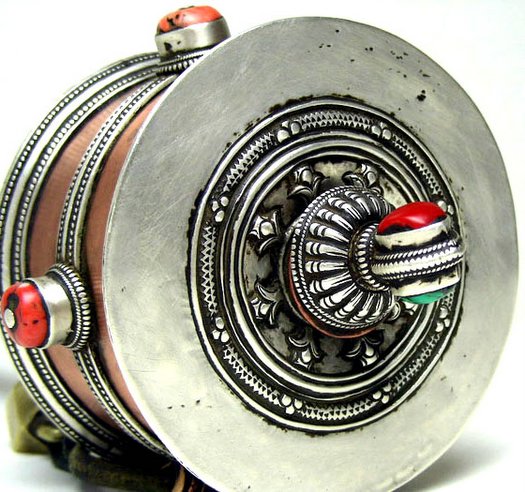
Antique prayer wheel inlaid with red coral and turquoise. Both whole and damaged beads are used to adorn all manner of ritual objects. 

This type of amber headdress is known in Tibetan as Pöden. The Pöden is considered one of the main hair adornments of a married woman. It is made up of a cross shaped crown which rests on the head that can easily be removed. This is richly decorated with large perforated amber pieces which are usually adorned with red coral. Sometimes this head piece will have many strands of coral beads that hang down the nape of the neck , these beads are then attached to a longer piece of material composed of three sections. This piece of material can reach several feet in length and is richly decorated with amber, coral, turquoise and even gold. It is usually finished at the bottom with beaded tassles.

Wednesday, May 03, 2006


Above: Round Pumtek with six stripe decoration.

The following passage explains (according to the unknown author) how modern day Pumtek are being made in the Hpayargyi Village which is in the Myingyan district of Burma (Myanmar).

"There are said to be nine stages to the making of a single [Pumtek] bead. First the right type of fossilized stone must be found. This stone must be free of blemishes that occur when white ants build their nests on a piece of wood or have chewed at it. When the right stone has been found then it is cut up into smaller pieces by hand and then put out to dry for seasoning. These cut pieces then are shaped into long beads, flat square beads, oblongs and spheres on the bead-making machine. Once this has been done a hole must be drilled. This is done with a very thin diamond tipped hand drill which is turned and twisted with an instrument shaped somewhere between a violin's bow and a weapon bow. The drill is held by the thread of this instrument which is then pulled to and fro just as a violinist would. It surely needs a sure hand with a lot of skill and practice. The hole is drilled only half way up the bead and then drilling continues from the opposite end, for the two holes to meet in the middle. Any miscalculation would mean two holes that did not meet in the middle or the bead would break or the diamond tip lost. Then the next is the finishing process. The beads are again ground on the roller of the machine after the roller has been painted over with a mixture of melted sealing wax, colouring powder and fine-ground fossil wood powder. Then the beads are washed clean of hand grease and sun dried. In the next stage the bead is held between a pair of tweezers and painted over. The base coat of paint is white with other colours like black and brown to be painted over later. The black paint is a mixture of copper sulphate crystal (Blue vitriol), sulphur, yellow orpiment and human mother's milk. These are all blended together and heated over coals and the heat has to be just right. It is said that animal milk cannot be used successfully to make the paint and that it has to be human milk. After painting the desired colour the last and final stage is to heat the beads again to get a shine on them."


Ancient Pumtek with zig zag decoration.


Ancient Five Striped decorated dZi 


Ancient Five Striped decorated dZi. This bead is very close in appearance to what is known as a Phum dZi. However, this bead displays stripes and not the Longevity or net design. 34.44 mm x 11.84.  


Ancient Single Striped Chung dZi 


Ancient Single Stripe decorated Chung dZi. 


Ancient Three Striped decorated Chung dZi. 


Ancient Three Striped decorated Chung dZi. 


Huge Pema Raka bead displaying a large crystalline eye.


A mixture of agate and glass disc beads. Sourced in Nepal.


Huge ancient stone bead, Nepal. 98 mm x 11.06 mm 


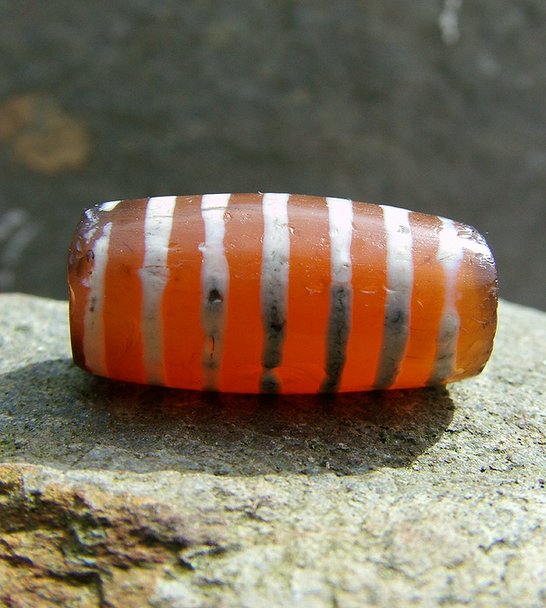
Twelve Striped Decorated Carnelian bead 


Stunning twelve striped decorated carnelian bead.